
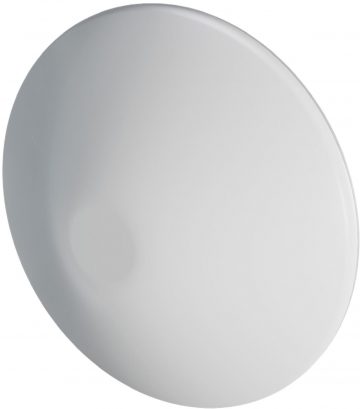
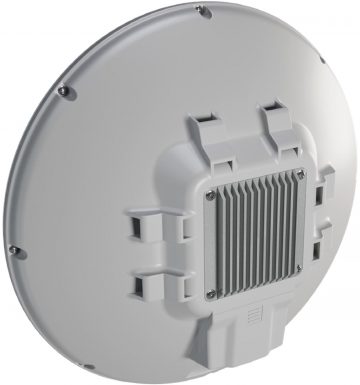
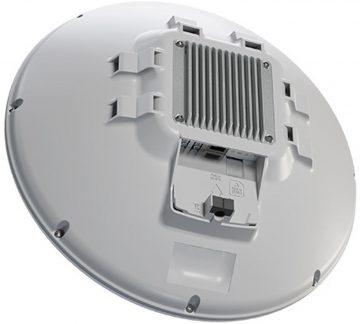
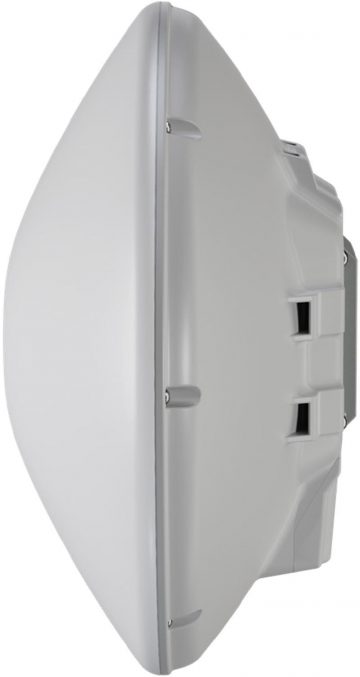

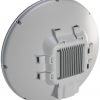
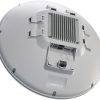
MIKROTIK ATL LTE18 KIT (ATLGM&EG18-EA)

MIKROTIK ATL LTE18 KIT — Key-GAT1 — Key-GATL features:
- running 3G, LTE (Cat. 18) bands
- Max. Theoretical throughput: 1200Mb/s (downlink), 150Mb/s (uplink)
- 1x 10/100/1000 Mbps Gigabit Ethernet port
- 1x MicroSIM ><2 antenna.
- band aggregation
- PoE power supply 12-57 V DC (PoE 802.b>protection
as (1.7-2.7GHz) and 2x low-band antennas (700MHz – 1GHz)
protection
IP54
7.jpg” alt=”MIKROTIK ATL LTE18 KIT (ATLGM&EG18-EA) — Description” loading=”lazy” />
MIKROTIK ATL LTE18 KIT (ATLGM&EG18-EA) — Description
MicroT> (ATLGM&EG18-EA) is an Advanced Technology Level (ATL) LTE solution with 4×4 wideband MIMO antennas that provide fast and stable connectivity in rural and urban areas. MikroTik ATL is a technologically advanced, directional LTE solution for those who want to get the most out of LTE base stations.
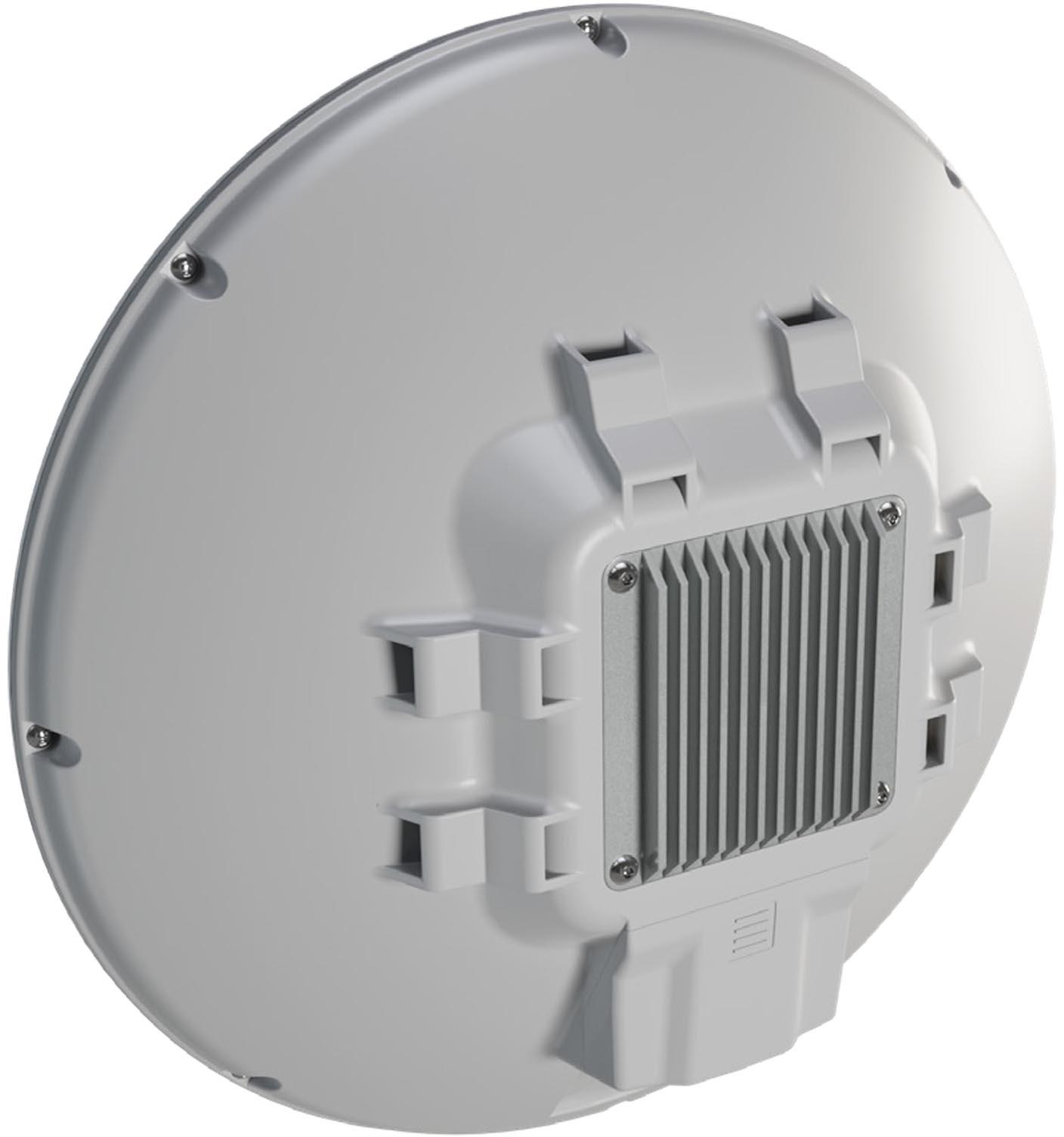
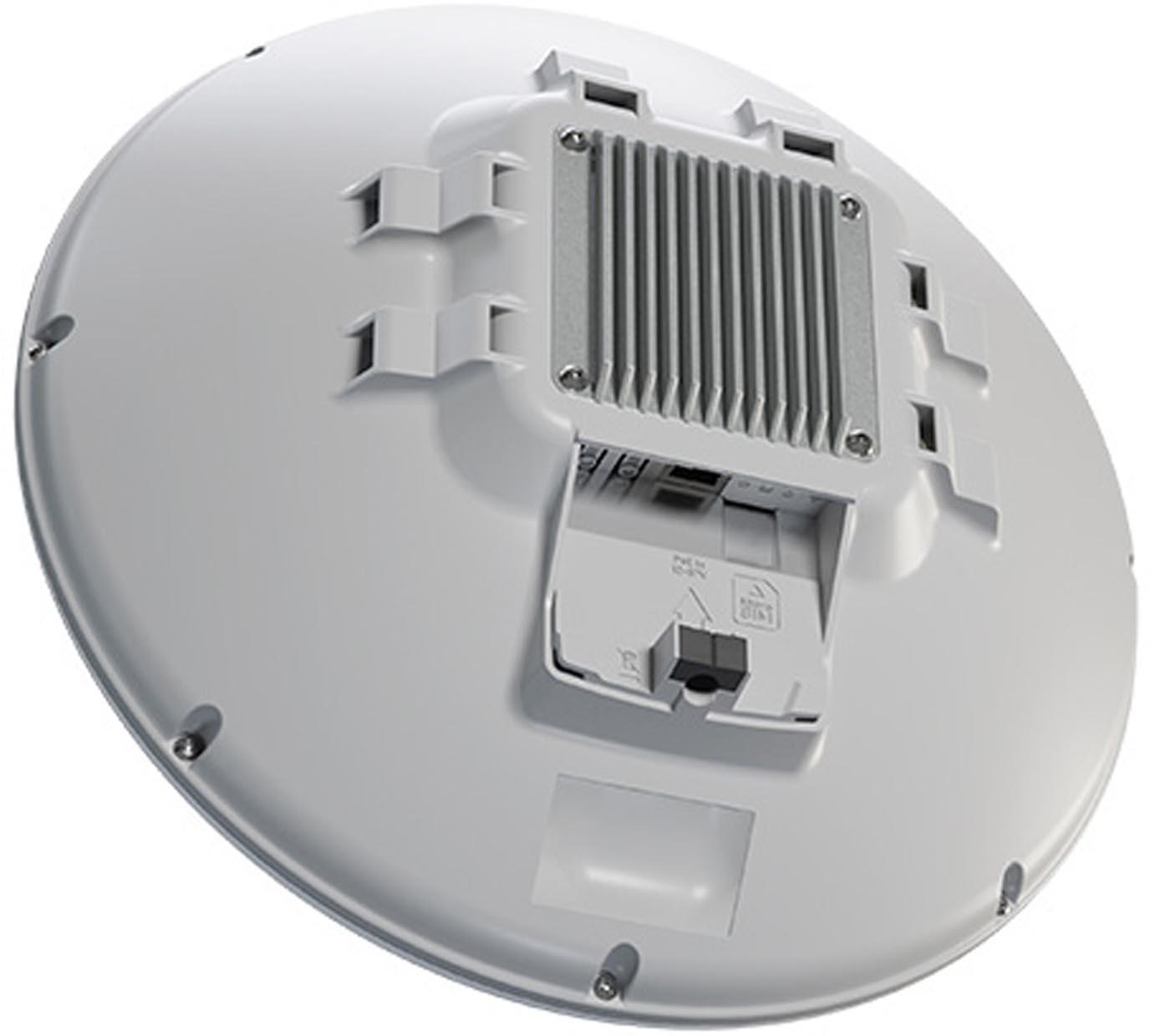
The MikroTik ATL LTE18 kit is a kit consisting of a radio integrated with antennas, with 1 Gigabit Ethernet 10/100/1000 Mbps, unlike cheap PoE-in ports. The device is based on a dual-core ARM 88F3720 1.2 GHz processor. It has a MicroSIM slot and an M.2 slot and 256 MB of RAM. The maximum theoretical throughput (LTE cat.18) is 1.2 Gb/s download and 150 Mb/s upload.
LTE Cat.18 also offers carrier aggregation and allows a device to use multiple bands simultaneously. This is a huge advantage if there are a lot of LTE users in an area. It provides better response in crowded environments and better performance on weaker signals in rural areas.
MIKROTIK ATL LTE18 KIT (ATLGM&EG18-EA) - purpose
Multifon's multi-mode and 4-accessory support is one of 4. This means more antennas working together - higher speed and better signal. Fantastic performance can be expected in cities with modern base stations. But ATL can also work wonders in rural areas, as it supports a wider frequency range for lower-band antennas. ATL is equipped with 4 high-gain mid-band antennas (1.7 - 2.7 GHz) and 2 high-gain low-band antennas (700 MHz - 1 GHz, LTE Band 28). The 700MHz and 800MHz LTE bands are one of the most popular frequency options in the world. It is used by countless mobile operators around the world, so ATL will always be able to find a signal.
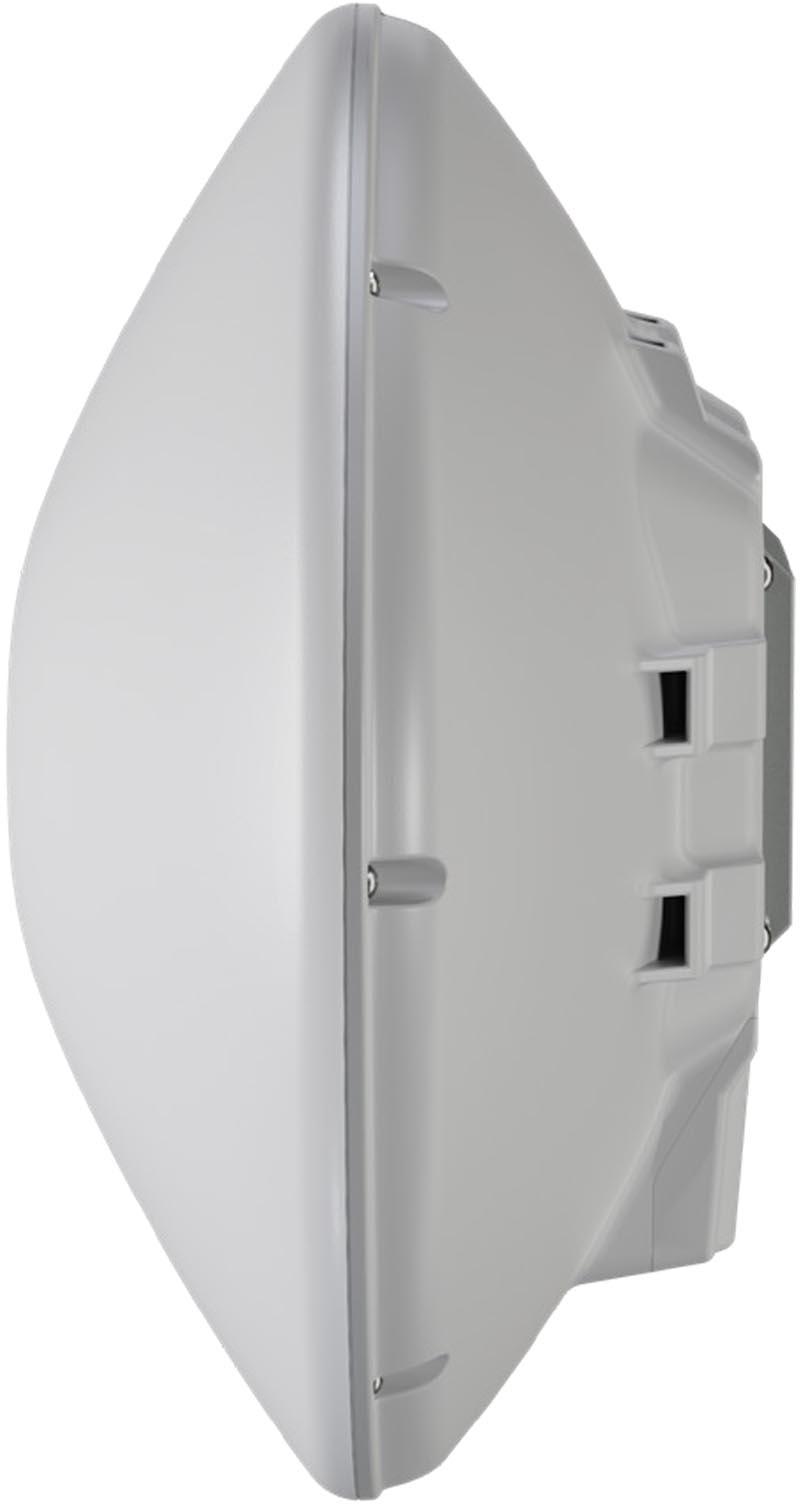
At first glance, the ATL LTE18 looks like a spaceship, but there’s a good reason for that. This design prevents snow and water from accumulating and freezing. This makes it not only compact and easy to transport, but also able to cope with the harshest weather conditions. The ATL is the perfect tool for fast and stable connections in cold, snowy cities without the need to constantly clean the antenna. And the LTE Category 18 modem is pretty future-proof, so you don’t have to worry about updates for a long time.
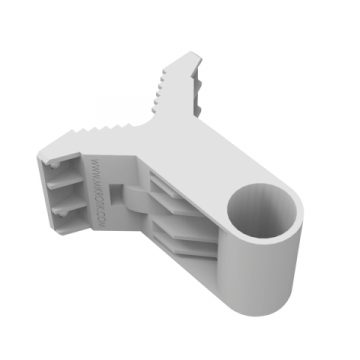
The ATL LTE18 kit is designed for outdoor use. The use of a directional antenna in the device means that the ATL LTE18 must be pointed towards the nearest base station (BTS). The device can be powered using PoE in the 802.3af/at standard. The kit includes a standard 24 V DC / 0.8 A power supply with a Gigabit PoE injector and the necessary mounting accessories. The device has a RouterOS system with a level 3 license.
LTE cat 18 supports the following bands: 1, 3, 5, 7, 8, 20, 28, 38, 40, 41 and supports carrier aggregation.
MIKREAM K.1.8. Specification
| Processor | Dual-core 88F3720 1.2 GHz ARM 64 bit | ||
| RAM | 256MBDDR3L | ||
| interfaces | 1x Gigabit Ethernet port 10/100/1000 Mbps | ||
| 1x MicroSIM slot | |||
| 1 model mL-EG18-EA | |||
| LTE bands | 1 (2100MHz) / 3 (1800MHz) / 5 (850MHz) / 7 (2600MHz) / 8 (900MHz) / 20 (800MHz) /8M (80MHz)0 40 (2300MHz) / 41 (2500MHz) | ||
| LTE category | 18 (1.2 Gbps downlink, 150 Mbps uplink) | ||
| TAC | 86981604 | Downlink (Cat. 11.2 Mbps uplink)||
| Power source | 24V 0.8A (included) | ||
| PoE input | PoE in (12–57) | ||
| Introduction.2 V > | Maximum power consumption power | 8 w | |
| Dimensions | 315×315 x170 mm | ||
| Permit operating temperature | -40 to 70 degrees C | ||
| supported bands | |||
| LTE FDD | 1 (2100MHz) / 3 (1800MHz) / 5 (850MHz) / 7 (2600MHz) / 8 (900MHz) / 20mhz /tr> | ||
| 3g | 1 (2100MHz) / 3 (1800MHz) / 5 (850MHz) / 8 (900MHz) | ||
| LTE TDD bands | 38 (2600MHz) / 40 (2300MHz) / 41 (2500MHz) > |
||
| Supported bands | |||
| LTE FDD | 1 (2100MHz)/3 (1800MHz)/5 (850MHz)/7 (2600MHz)/8 (900MHz)/20 (800MHZ)/28 (900MHz)/20. | ||
| 3g | 1 (2100MHz)/3 (1800MHz)/5 (850MHz)/8 (900MHz) | ||
| LTE TDD bands | 38 (2600MHz)/40 (2300mhz) table>
Additional information
Related Products
0
Shopping cart
Shopping cart is emptyReturn to Shop
|